
Leadership
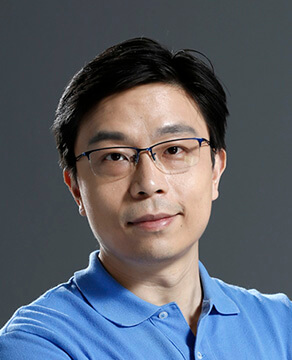
Jiaya JIA 賈佳亞
Chair Professor, Department of Computer Science and Engineering
Research Interests
Vision and Graphics; Artificial Intelligence; Image/video understanding; Large models; Multi-modal AI; Computational imaging; Generative AI
Jiaya Jia is a Chair Professor of Department of Computer Science and Engineering at The Hong Kong University of Science and Technology (HKUST). He joined CUHK in 2004 as an assistant professor and was promoted to full professor in 2015. He moved to HKUST in 2024. He obtained his PhD degree in Computer Science jointly from HKUST and Microsoft Research in 2004. From March 2003 to August 2004, he was a visiting scholar at Microsoft. He conducted collaborative research at Adobe Research in 2007.
Jiaya Jia is an IEEE Fellow. His research focuses on advanced development of computer vision and deep learning technologies, including image/video understanding, large models, multi-modal AI, computational imaging, and generative AI. His papers were cited 70,000+ times on Google Scholar with H-index 100+ His papers received SIGGRAPH Asia Test-of-Time Award 2023, CVPR Best Paper Finalist 2022, and NPAR Best Paper Award 2012. He has been among the world's top 2% most-cited scientists by Stanford University for several years. 40+ PhDs and scholars from this group are now active in academia and industry, and have become AI tech leaders as professors, directors in research labs, and founders of several successful startups.
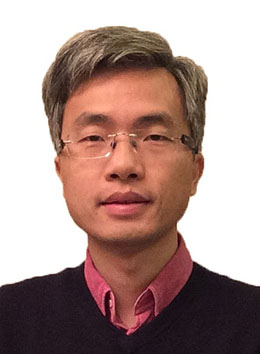
Ping TAN 譚平
Professor, Department of Electronic & Computer Engineering
Research Interests
Data Science and AI (DSAI); Control and Robotic Systems (CRS); Computer graphics; Computer vision; Robotics
Dr. Tan is a professor in the Department of Electronic and Computer Engineering at the Hong Kong University of Science and Technology (HKUST). Before joining HKUST, he served as the director of the XR Lab at Alibaba DAMO Academy from 2019 to 2022, an associate professor at Simon Fraser University (SFU) in Canada from 2014 to 2019, and an assistant and associate professor at the National University of Singapore (NUS) from 2007 to 2014.
Dr. Tan received his PhD from HKUST in 2007 and his Master's and Bachelor's degrees from Shanghai Jiao Tong University (SJTU) in 2003 and 2000, respectively. He specializes in computer vision, computer graphics, and robotics, with a research focus on 3D vision.
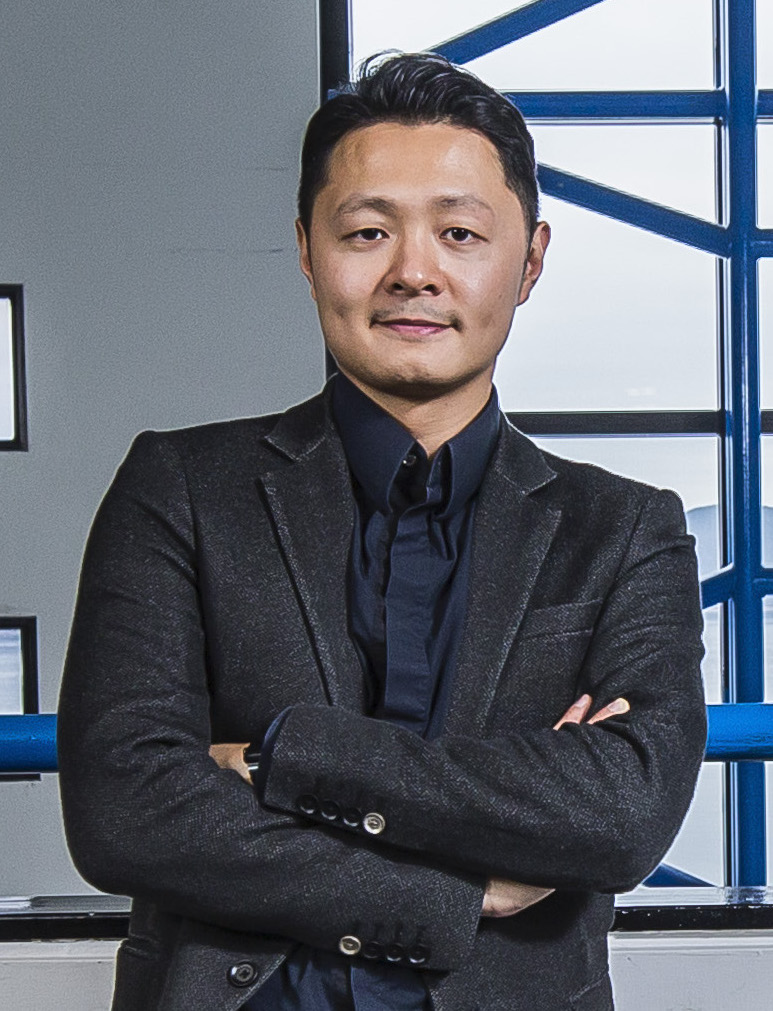
Sai-Kit YEUNG 楊世傑
Professor Division of Integrative Systems and Design Department of Computer Science and Engineering Department of Ocean Science
Research Interests
Computer Vision; Computer Graphics; 3D Vision; Artificial Intelligence; Multimodal AI; Robotic Perception; AI for Marine Science and Sustainability
Professor Sai-Kit Yeung is a Professor in the Division of Integrative Systems and Design at The Hong Kong University of Science and Technology (HKUST), with joint appointments in the Department of Computer Science and Engineering and the Department of Ocean Science. He received his B.Eng., M.Phil., and Ph.D. degrees from HKUST. His research spans artificial intelligence, computer vision, computer graphics, 3D vision, multimodal learning, robotic perception, and Marine AI. He develops computational and AI systems that enable machines to perceive, reconstruct, and reason about complex real-world environments, with applications ranging from data-driven design and 3D scene understanding to underwater perception and marine science. In recent years, he has advanced Marine AI research for marine science and sustainability, including foundation models, vision-language systems, 3D mapping, and robotic sensing technologies for underwater environments. His work supports marine biodiversity monitoring, coral reef analysis, habitat mapping, reef restoration, and nature-based solutions.
Professor Yeung has published in leading venues including CVPR, ICCV, ECCV, SIGGRAPH, SIGGRAPH Asia, ACM Transactions on Graphics, ICRA, AAAI, NeurIPS, and ICML. He has been recognized among the World’s Top 2% Most-Cited Scientists from 2023 to 2025 and serves as an Associate Editor of ACM Transactions on Graphics.
Faculty
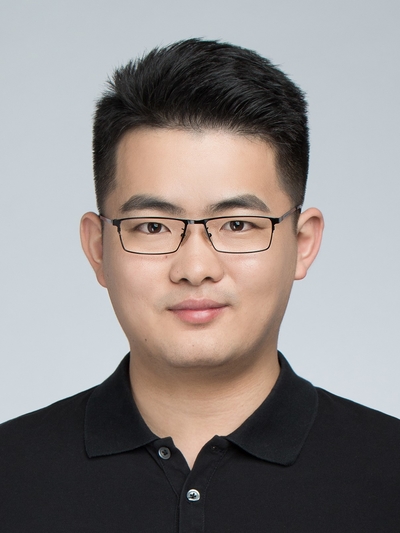
Hao CHEN 陳浩
Assistant Professor, Department of Computer Science and Engineering
Research Interests
Vision and Graphics; Artificial Intelligence; Medical image analysis; Artificial intelligence; Machine learning; Computer vision
Dr. Hao Chen is an Assistant Professor at the Department of Computer Science and Engineering (CSE), the Hong Kong University of Science and Technology (HKUST). He leads the SMART Lab focusing on trustworthy artificial intelligence for healthcare and serves as Associate Director in Center of Medical Imaging and Analysis. He obtained the Hong Kong PhD Fellowship in 2013 and received the PhD degree from The Chinese University of Hong Kong (CUHK) in 2017. He was a postdoctoral research fellow in CUHK and a visiting scholar in Utrecht University Medical Center previously.
His research interests include medical image analysis, artificial intelligence, machine learning, computer vision and bioinformatics. He has over 100 peer-reviewed publications (Google Scholar Citations 16,500+, h-index 57) in MICCAI, IEEE-TMI, MIA, CVPR, AAAI, Radiology, Lancet Digital Health, Nature Machine Intelligence, JAMA, etc. He received several premium awards including the MICCAI Young Scientist Impact Award in 2019 and a number of best paper awards. He also has rich industrial research experience and holds a dozen of patents. He serves as an Associate Editor of multiple journals including IEEE Transactions on Neural Networks and Learning Systems, Journal of Biomedical and Health Informatics, Neurocomputing, Computerized Medical Imaging and Graphics, Medical Physics, etc. He also served as a program committee (PC) member of multiple international conferences including Area Chair of MICCAI 2021 & 2022, ISBI 2022, MIDL 2022 and Senior PC of AAAI 2022, etc. During the past few years, he led his team winning 15+ medical grand challenges.
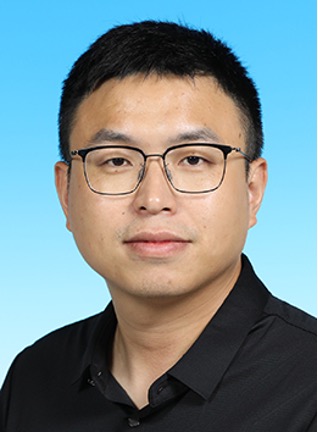
Long CHEN 陳隆
Assistant Professor, Department of Computer Science and Engineering
Research Interests
Artificial intelligence; Computer vision; Machine learning; Multimedia computing
Dr. Long Chen is an assistant professor at the Department of Computer Science and Engineering, Hong Kong University of Science and Technology (HKUST). He is leading a computer vision and machine learning research group: LONG Group. His primary research directions are Computer Vision, Machine Learning, Multimedia, and Artificial Intelligence. He served as associate editors for multiple top-tier journals: IEEE TPAMI, IEEE TIP, ACM TOMM, TMLR, and area chairs for various AI conferences: CVPR, ECCV, NeurIPS, ICML, ICLR.
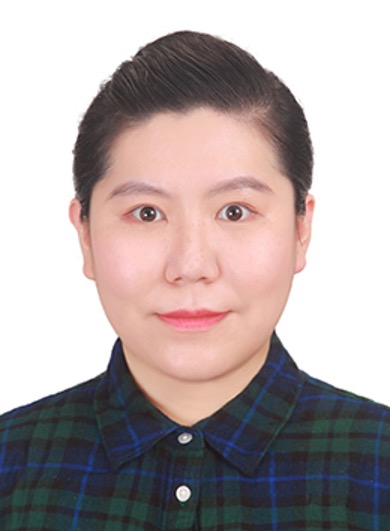
Lixue Sherry CHENG 程立雪
Assistant Professor, Department of Chemistry
Research Interests
AI for science; Electronic structure; Generative AI and large language model; Computational chemistry; Physical and theoretical chemistry
Lixue Cheng (Sherry) is currently an Assistant Professor of The Hong Kong University of Science and Technology. Previously, she was a researcher at Microsoft Research AI for Science Lab and Tencent Quantum Lab. She graduated with a PhD in theoretical chemistry from California Institute of Technology working with Prof. Thomas F. Miller III in 2022. Sherry received a B.S. degree with quadruple majors in Chemistry, Math, Biochemistry, and Molecular Biology and a minor in Computer Science from University of Wisconsin-Madison. She is interested in the interdisciplinary research between chemistry, physics, biology, and computer sciences, and passionate about bridging the mind gaps between different areas. Her current research focuses on interfaces of AI, quantum computing, and chemistry applications, such as molecular modelling by Orbital-Based Machine Learning, deep Quantum Monte Carlo (deep QMC), AI for quantum algorithms, and LLM for Chemistry.
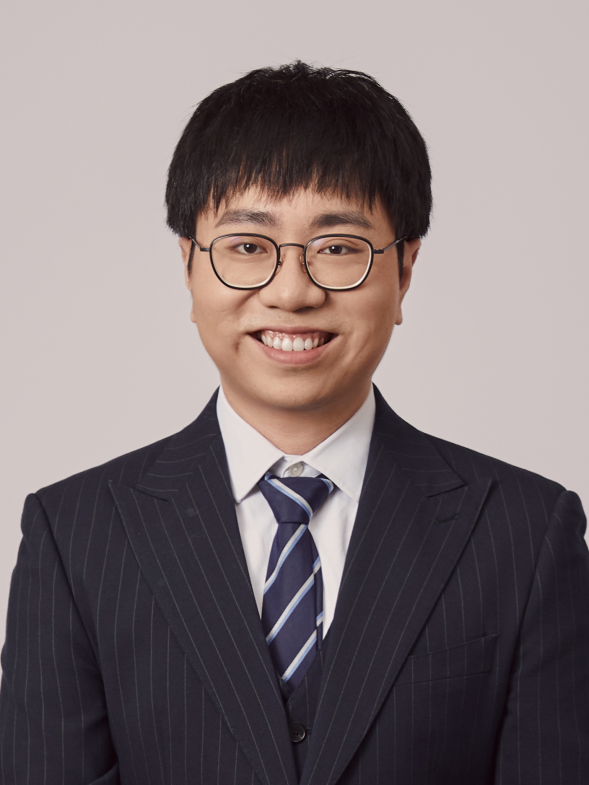
Yuan LIU 劉緣
Assistant Professor, Division of Integrative Systems and Design, Academy of Interdisciplinary Studies
Research Interests
Computer Graphics, 3D Computer Vision, Photogrammetry, and Remote Sensing; 3D Reconstruction, 3D Generation, 3D-aware Video Generation, 3D LLM Agents, Large-scale 3D Modeling, Urban Intelligence
Dr. Yuan Liu is an assistant professor in the Division of Integrative Systems and Design (ISD) at the Hong Kong University of Science and Technology (HKUST). Prior to that, Yuan worked at Nanyang Technological University (NTU) as a PostDoc researcher (2024-2025) and obtained his PhD degree at the University of Hong Kong (HKU) (2020-2024). His research mainly concentrates on 3D vision and graphics. He currently works on topics about 3D AIGC, including 3D neural representations, 3D generative models, and 3D-aware video generation. He has published many papers on these topics in top venues like SIGGRAPH, ToG, CVPR, ICCV, ECCV, etc.
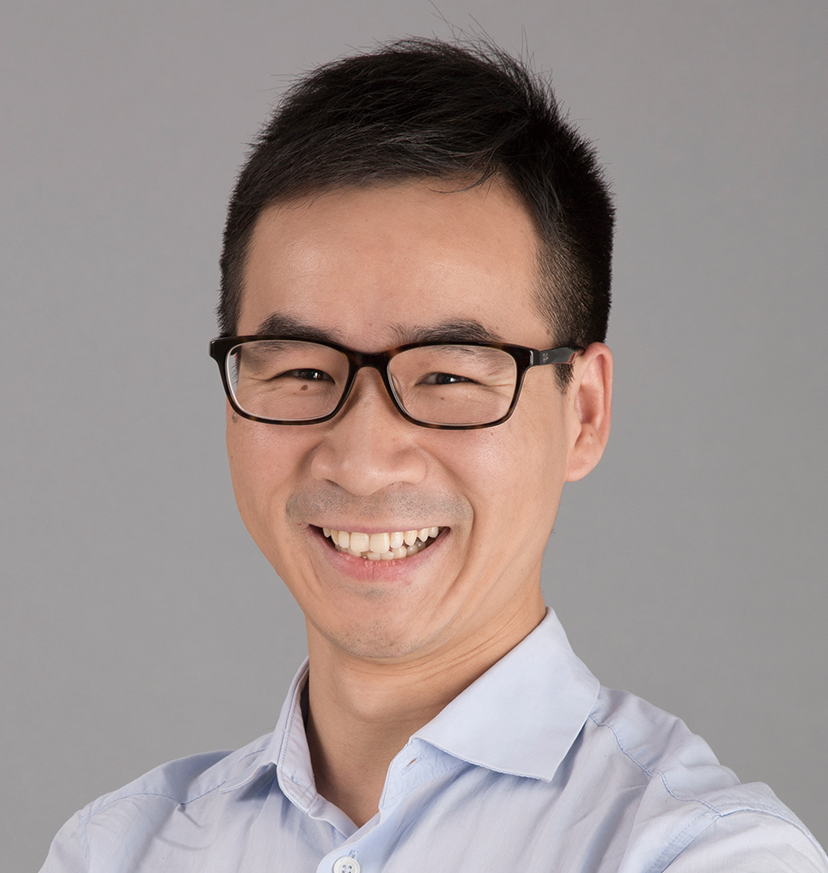
Wenhan LUO 羅文寒
Associate Professor, Division of Arts and Machine Creativity, Department of Electronic and Computer Engineering, Division of Emerging Interdisciplinary Areas
Research Interests
Creative AI; Generative models; Image and video generation; Content restoration; Computer vision; Image/video generation and restoration/enhancement
I am now an Associate Professor with the Hong Kong University of Science and Technology (HKUST), leading the Creative, Controllable & Cognitive Computing Group (C4G) in HKUST. Previously, I worked as an Associate Professor at Sun Yat-sen University, and an applied research scientist at Tencent, solving real-world problems using computer vision and machine learning techniques. Prior to Tencent, I worked for Amazon in Palo Alto, California, where I developed deep models for better visual search experience. Before that, I worked as a research scientist in Tencent AI Lab. The techniques I have developed/involved have been shipped to several products in Tencent such as WeChat, QQ, Tencent Video, Tencent Yuanbao, Tencent Cloud, and myapp. I received the Ph.D. degree from Imperial College London, UK, 2016, under the supervision of Prof. Tae-Kyun Kim, and working closely with Dr. Bjorn Stenger, M.E. degree from Institute of Automation, Chinese Academy of Sciences, China, 2012, under the supervision of Prof. Weiming Hu, and B.E. degree from Huazhong University of Science and Technology, China, 2009.
I have published over 100 peer-reviewed papers in top-tier conferences and journals, like ICML, NeurIPS, CVPR, ICCV, ECCV, SIGGRAPH, AAAI, ACL, ACMMM, ICLR, TPAMI, AI, IJCV. My work is selected into the CVPR 2019 Best Paper Finalist and I was awarded the 2022 ACM China Rising Star Award (Guangzhou Chapter). I have served as Senior Area Editor for IEEE Signal Processing Letters, Associate Editor for IEEE Transactions on Image Processing, Neurocomputing, IET Computer Vision, Guest Editor for CVIU, Area Chair for NeurIPS, ACM MM, ICML, IJCAI, IJCNN, BMVC, and Senior Program Committee member for AAAI and IJCAI, regular reviewer for top conferences and journals like TPAMI, IJCV, CVPR, ICML, ICCV. I have been elected among Top 2% Scientists worldwide (2023 & 2024) by Stanford/Elsevier.
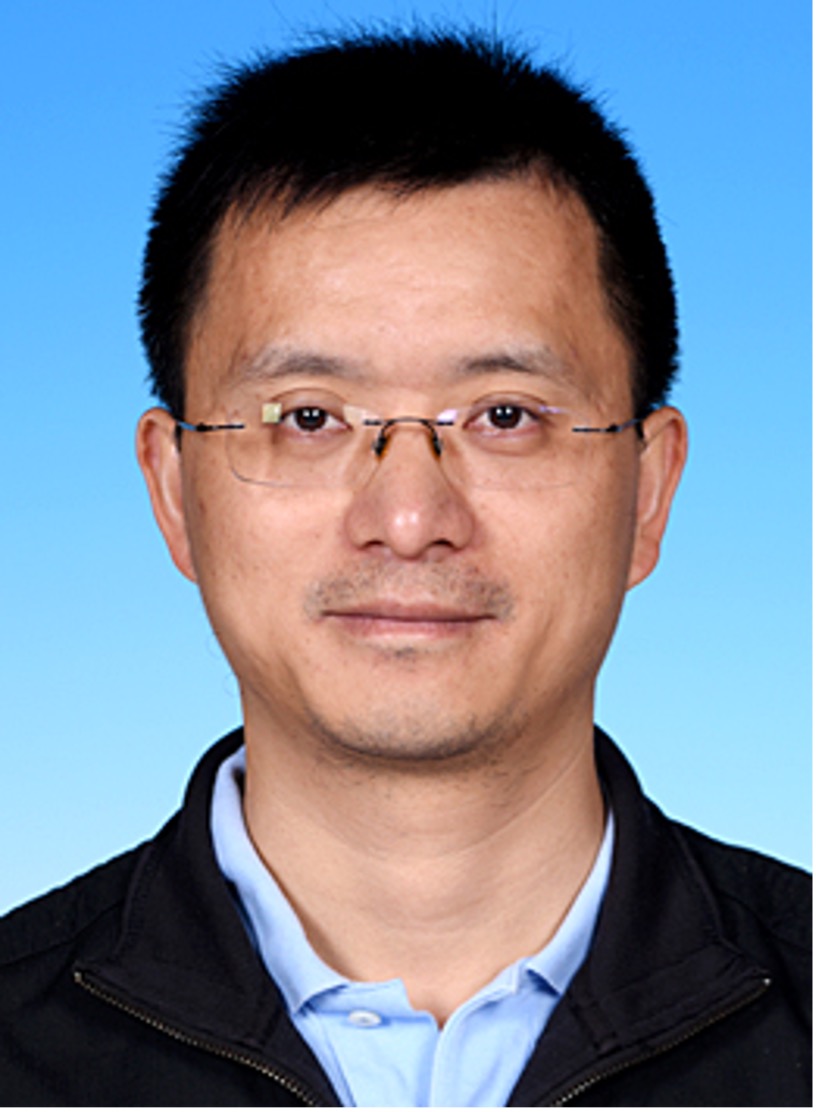
Zhengtang Tom LUO 羅正湯
Professor, Department of Chemical and Biological Engineering
Research Interests
Advanced materials; Graphene chemistry and physics; Functional polymer
Prof. Zhengtang Tom Luo is currently a professor with tenure at the Hong Kong University of Science and Technology. He is currently a Fellow of the Royal Society of Chemistry (FRSC), and serves as the Associate Editor for ACS Applied Materials & Interfaces. He has obtained his bachelor degree from South China University of Technology and PhD degree (in Polymer Science) from University of Connecticut, followed by postdoctoral training (Physics) at University of Pennsylvania. His research focuses on materials chemistry and physics, with the development of edge-epitaxy and seeded growth concept of chemistry of two-dimensional materials, and electronic and biomaterial product development for chemical industry.
He has supervised more than 20 PhD students and postdoctoral researchers, more than 20 MPhil and Master students, with many of them as professors and researchers in prestigious universities and international companies. He has served as Associate Editor for ACS Applied Materials & Interfaces (2019-), AIP Advances (2014-2019), as well as Editorial Board member for Functional Materials Letters (2014-), ACS Sensor (2018-). In 2010, he founded Graphene Frontiers LLC, a Pennsylvania-based company, which has attracted millions of investments. His current research interest focuses on chemistry of graphene and 2D materials.
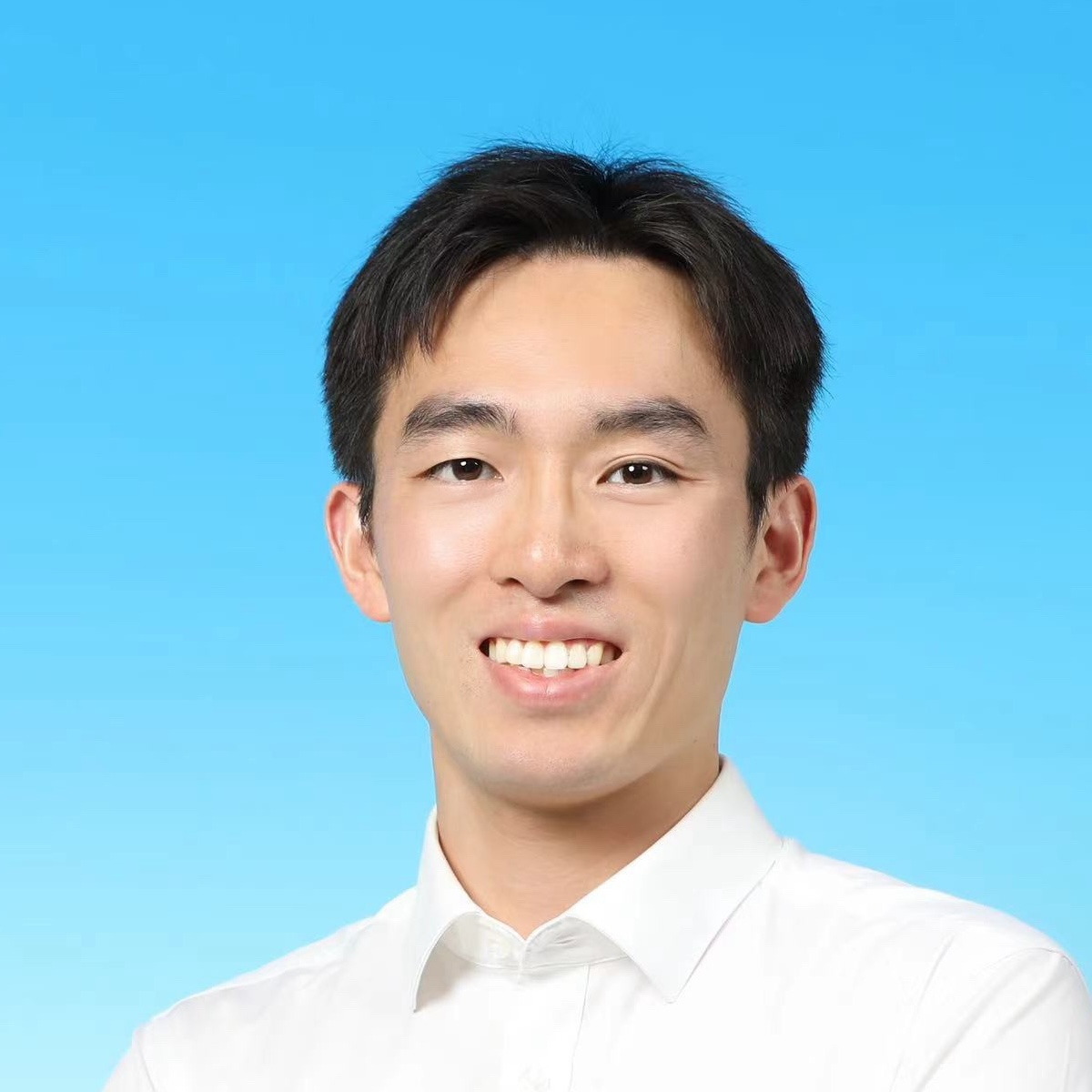
Anyi RAO 饒安逸
Assistant Professor, Division of Arts and Machine Creativity and Division of Emerging Interdisciplinary Areas, Academy of Interdisciplinary Studies
Research Interests
AI for creativity; Computer vision; Human-computer interaction; Computer graphics; Film studies
Anyi Rao is an Assistant Professor at the Hong Kong University of Science and Technology (HKUST). He leads the Multimedia Creativity Lab (MMLab@HKUST). He is the Associate Director of HKUST Media Intelligence Research Center. He studies human AI for creativity, with focuses on the understanding, editing and creation of art, media and film, aiming to build human-AI collaborative intelligence and unleash human creativity and productivity. His works include ControlNet, AnimateDiff, MovieNet, Virtual Studio, and IC-Light, with a Marr Prize (ICCV best paper award). These works have been widely used in industry, including Amazon Prime Video, Netflix, Tencent, and more.
He was a Postdoctoral Scholar at Stanford with Maneesh Agrawala. He received the Ph.D. at MMLab, Chinese University of Hong Kong with Dahua Lin and Bolei Zhou. He has research experiences at Meta Reality Lab, Vector Institute, University of Toronto, Hong Kong University. He organized the Creative Visual Content Workshop at CVPR25, CVPR24, ICCV23, ECCV22, ICCV21, the Generative Models Course at SIGGRAPH24, curated 2025 Hong Kong HKUST AI Film Festival and 2023 Paris ShortFest AI Film Festival. He also serves as a co-chair of UIST24, UIST25, VINCI25, CVM25 and area chair (TPC) of SIGGRAPH Asia25.
He has hosted the Brown Media Innovation Research Fund, Amazon Video Research Fund, been featured in Forbes 30 Under 30 Asia 2025 List, and won the Rising Star Award at the World Artificial Intelligence Conference, Paper Digest's Most Influential Paper Award. He gave keynote at the Golden Rooster Film Festival, the Shanghai Television Magnolia Festival, was featured by Shanghai TV Financial Channel, Hong Kong Cable Television, and spoke at the Night Talk of the World Artificial Intelligence Conference WAIC2024.
Yangqiu SONG 宋陽秋
Associate Professor, Department of Computer Science and Engineering
Research Interests
Artificial intelligence; Data mining; Knowledge representations; Language modeling; Machine learning; Knowledge graph; Text mining; Information extraction
Prof. Song is an assistant professor at Department of CSE with a joint appointment at Math Department at HKUST. He was an assistant professor at Lane Department of CSEE at WVU (2015-2016); a post-doc researcher at UIUC (2013-2015), a post-doc researcher at HKUST and visiting researcher at Huawei Noah's Ark Lab, Hong Kong (2012-2013); an associate researcher at Microsoft Research Asia (2010-2012); a staff researcher at IBM Research-China (2009-2010). He received his B.E. and Ph.D. degree from Tsinghua University, China, in July 2003 and January 2009. He also worked as interns at Google in 2007-2008 and at IBM Research-China in 2006-2007.
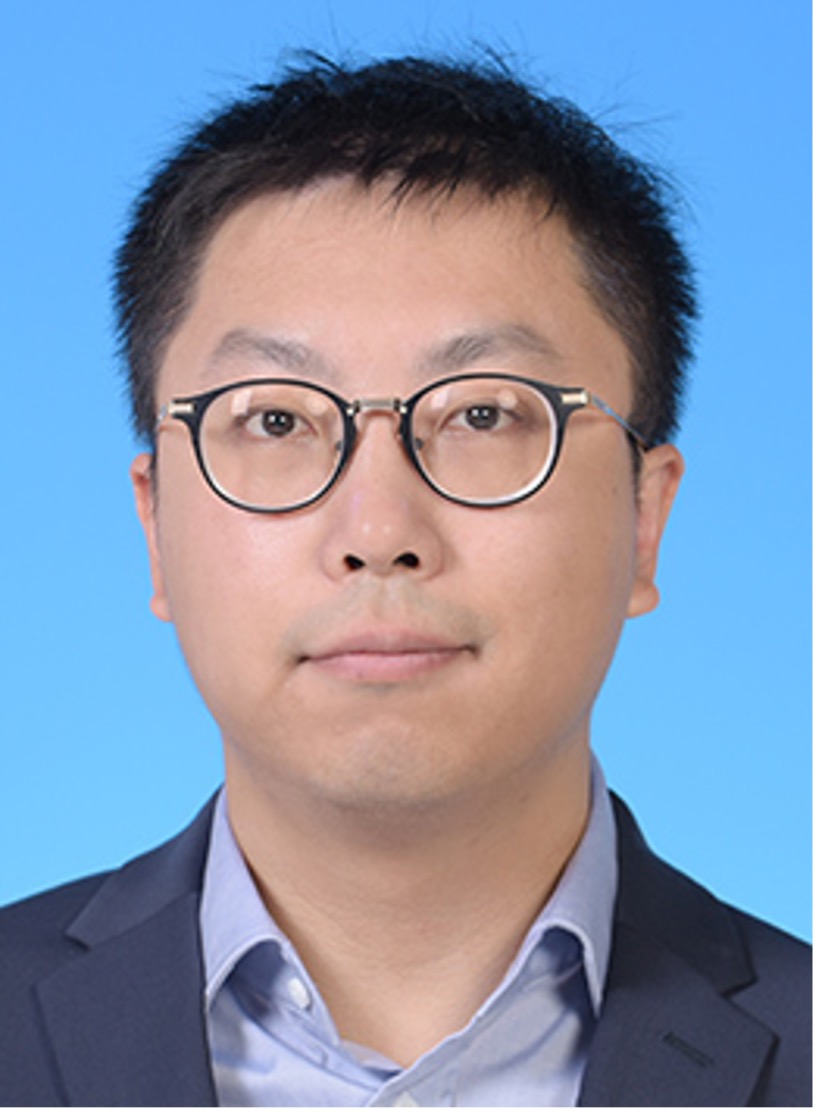
Shuai WANG 王帥
Associate Professor, Department of Computer Science and Engineering
Research Interests
Cybersecurity; Software Engineering and Programming Languages; Software and system security; Binary-level security techniques; Security and privacy on emerging platform
Shuai Wang is an Associate Professor in the Department of Computer Science and Engineering at HKUST. He holds a Ph.D. from Penn State and was a Postdoctoral Researcher at ETH Zurich. His research focuses on AI security, data privacy, and software security. In particular, his recent work addresses emerging challenges in Large Language Model (LLM) security, reliable agents, and AI system safety. Prof. Wang's work has been published in top-tier security conferences and recognized with multiple awards, including the IEEE S&P 2025 Distinguished Paper Award and the ACM SIGSOFT (ASE 2023) Distinguished Paper Award. He has also received the 2025 Hong Kong ICT FinTech Award, the HK Tech Fest "Cybersecurity Project of the Year" award, and research awards from Google, Alibaba, and Tencent.
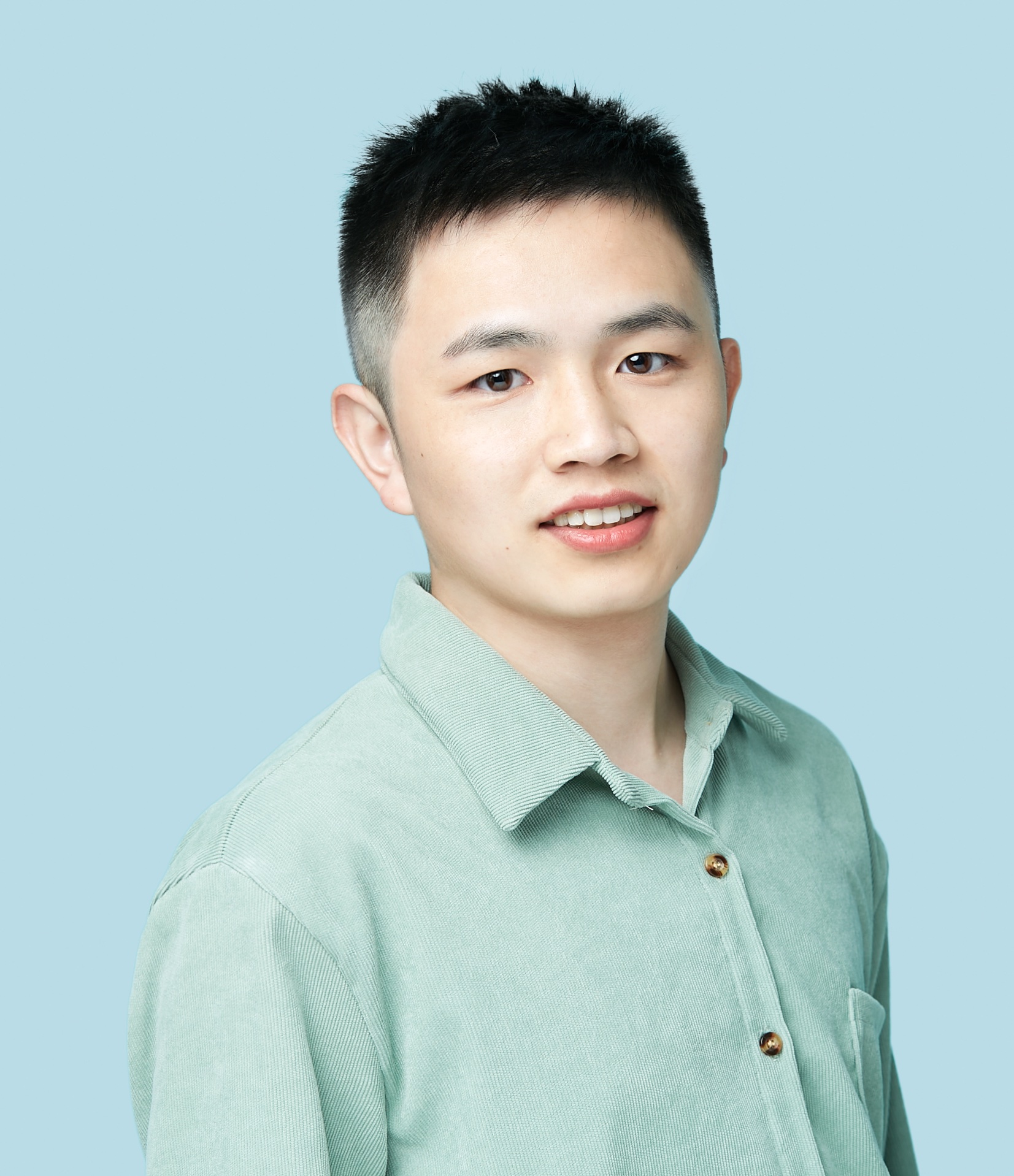
Ziqi WANG 汪子琦
Assistant Professor, Division of Integrative Systems and Design, Academy of Interdisciplinary Studies
Research Interests
Embodied AI; Multi-robot Manipulation; Robotic Assembly; Construction Robotics; Computational assemblies, with the objective of designing and fabricating personalized products using artificial intelligence and robotics
Ziqi Wang is an Assistant Professor at the Division of Integrative Systems and Design (ISD) at the Hong Kong University of Science and Technology (HKUST). Before joining HKUST, he worked as a postdoctoral researcher at the Creative Computation Lab and Sycamore at École Polytechnique Fédérale de Lausanne (EPFL) in 2024, under the supervision of Prof. Stefana Parascho and Prof. Maryam Kamgarpour. Prior to that, he was a postdoctoral researcher at the Computational Robotics Lab at ETH Zurich, advised by Prof. Stelian Coros. He obtained his Ph.D. in 2021 from the Geometric Computing Laboratory at EPFL, where he was advised by Prof. Mark Pauly. He completed his bachelor's degree in Mathematics in 2017 at the University of Science and Technology of China (USTC), advised by Prof. Ligang Liu.
Ziqi is interested in interdisciplinary projects that connect manufacturing, robotics, and computer graphics. His current research focuses on creating a seamless end-to-end workflow that enables users to design and fabricate personalized products using artificial intelligence and robotics. He has years of experience collaborating with researchers from various disciplines, including robotics, architecture, and civil and mechanical engineering. He has applied his research to constructing several large-scale architectural demonstrators. He has published works in the top computer graphics journal, ACM Transactions on Graphics (TOG), and received a Best Paper Honorable Mention Award at SIGGRAPH 2022.
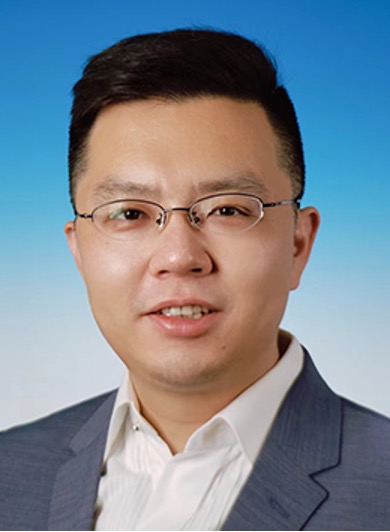
Changying XIANG 向暢穎
Assistant Professor, Division of Integrative Systems and Design, Academy of Interdisciplinary Studies
Research Interests
Building integrated photovoltaics systems; Design for smart low-altitude infrastructure; Sustainable architecture and future city; Zero-carbon and climate-responsive building; Automation and prefabrication in construction; Light, color and interactive design
Prof. Xiang is an Assistant Professor in the Division of Integrative Systems and Design, Academy of Interdisciplinary Studies of HKUST. He is also the director of the Laboratory of Zero Carbon Architecture and Future Cities at HKUST, the director of the HKUST-HIIG-Hienergy BIPV Joint Research Center, an Executive Committee member for the Centre for AI Robotics in Space Sustainability (CAIRSS) HKUST, and a member in HKUST Von Neumann Institute.
Dr. Xiang has the ambition to promote the development of smart & sustainable future-oriented habitats with holistic design strategies and cutting-edge technologies. His main research interests include advanced integrated PV systems, automatic robotic technologies, AI-empowered smart homes, smart grids, low-altitude infrastructure, and space infrastructure.
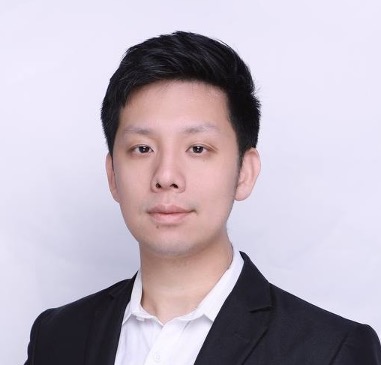
Harry (Chao) YANG 楊超
Assistant Professor, Division of Arts and Machine Creativity
Research Interests
Computer vision; Generative AI; Natural language processing; Machine learning; Artificial intelligence
Harry (Chao) Yang is an Assistant Professor in the Division of Arts and Machine Creativity at the Hong Kong University of Science and Technology (HKUST). He was previously a Senior Research Scientist at Meta AI. His research explores generative AI, including the theory and application of diffusion models, transformers, and GANs. Dr. Yang serves as an Area Chair for ICLR and AAAI, and an Associate Editor for Transactions on Signal and Information Processing. He received his PhD from the University of Southern California (USC) in 2019 and is a recipient of the USC SIPI Distinguished Alumni Award.
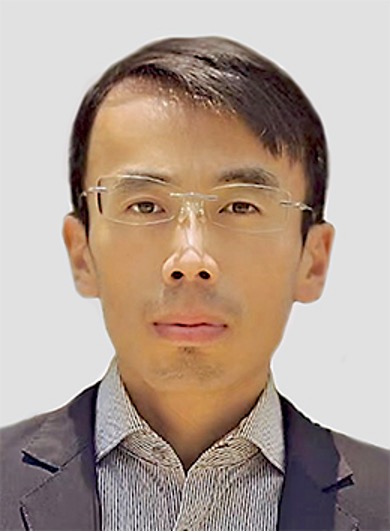
Zhengbao YANG 楊徵保
Associate Professor, Department of Mechanical and Aerospace Engineering
Research Interests
Robotics; Sensor; Internet of Things; Wireless Sensor; Flexible Electronics; Biomedical devices; Sensor and Actuator; Dynamics; Advanced Manufacturing
Prof. Yang earned his bachelor's degree from the Harbin Institute of Technology and completed his Ph.D. at the University of Toronto in 2016. He is currently an associate professor in the Department of Mechanical and Aerospace Engineering at the Hong Kong University of Science and Technology, where he also serves as the director of the Smart Transducers and Vibration Laboratory (STVL). Prof. Yang is an IEEE Senior Member, awardee of National Natural Science Fund for Excellent Young Scientists (Type B), and one of the "Top 2% Scientists in the World" by Stanford University. His research interests encompass Smart Materials and Mechatronics, with a particular emphasis on the development of piezoelectric materials, energy harvesters, and wireless sensor systems.
Prof. Yang has applied for over 30 patents in China and the USA and has authored over 160 academic articles in high-impact journals, including 17 papers in the Nature and Science series over the past five years. Under his leadership, the STVL lab has graduated 11 PhD students, 6 postdoctoral researchers, and more than 30 MSc students, some of whom have received recognition from the China Overseas Talent Scheme or have joined top high-tech companies worldwide. He is serving as Editor of academic journals: "Sensors", "Smart Materials and Structures", "Journal of Intelligent Materials Systems and Structures", "npj Self-Powered Electronics focuses", and "IEEE/ASME Transactions on Mechatronics".
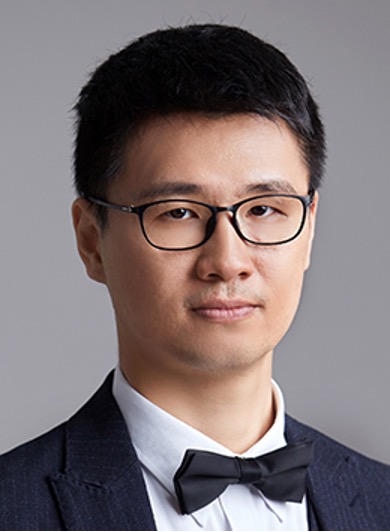
Binhang YUAN 袁彬航
Assistant Professor, Department of Computer Science and Engineering
Research Interests
Data management; Data-driven machine learning; Database systems; Distributed computing; Distributed systems
Binhang Yuan is an Assistant Professor at the Department of Computer Science and Engineering (CSE), the Hong Kong University of Science and Technology (HKUST). He received his Ph.D. and master's degrees from Rice University and his bachelor's degree from Fudan University. Before joining HKUST, he was a Postdoc at the Swiss Federal Institute of Technology Zurich (ETH Zurich). His main research interests are in data management systems for machine learning, distributed and decentralized machine learning systems. His work won the Best Paper Honorable Mention Award at VLDB and Research Highlight Award in SIGMOD.
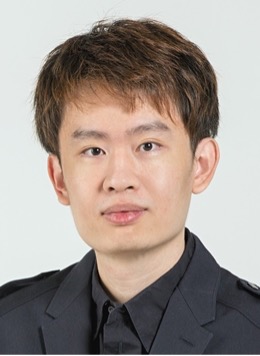
Jize ZHANG 張紀澤
Assistant Professor, Department of Civil and Environmental Engineering
Research Interests
Artificial intelligence; Civil and structural engineering; Risk assessment; Surrogate modeling; Uncertainty quantification and analysis
Prof. Zhang is an Assistant Professor at the Department of Civil and Environmental Engineering with a joint appointment at the Division of Emerging Interdisciplinary Areas at HKUST. Before joining HKUST, he was a machine learning staff scientist (2019-21) at Lawrence Livermore National Laboratory, US. He received his B.S. degree from Xi'an Jiaotong University, China, in 2012, his M.S. degree from Carnegie Mellon University in 2013, and his Ph.D. from the University of Notre Dame in 2019. He worked as a data scientist intern at JD.com in 2018 and as a research intern at IBM Research Ireland in 2017.
His research mainly concentrates on data-driven and hybrid methods for quantifying uncertainty in complex physical systems. He has published papers in top CS venues like ICML, NeurIPS, CVPR, as well as leading engineering journals such as Computer Methods in Applied Mechanics and Engineering & Journal of Computational Physics.